Retinol Before and After: What Actually Happens
So I've been staring at my reflection again. You know that thing where you're like... did my forehead always look like this?
That's how I ended up in the retinol rabbit hole. And honestly? The before-and-after photos online are kind of misleading. Not fake – just... they don't tell you about the messy middle part.
What Is Retinol?
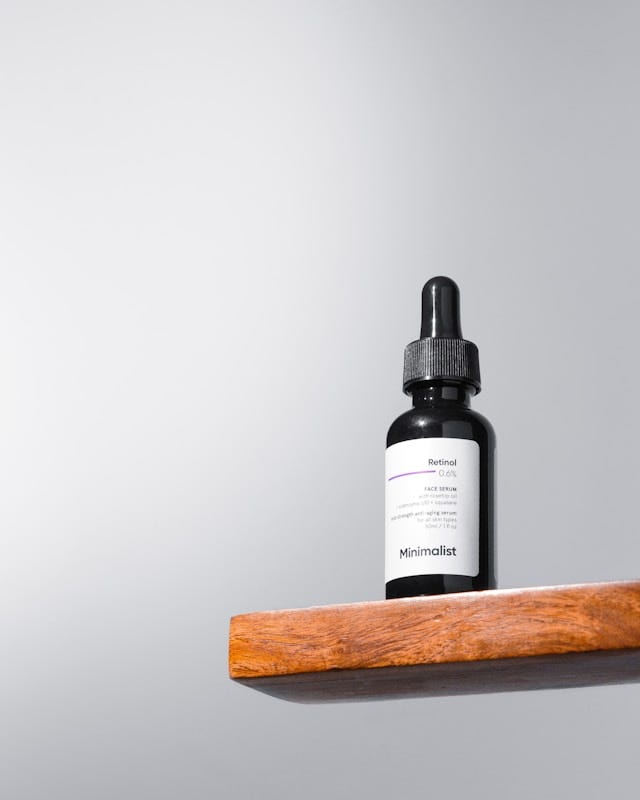
Okay, so retinol is basically vitamin A for your face. But not like, the vitamin A in your carrot juice. This stuff is designed to speed up how fast your skin cells turn over. Think of it as telling your skin "hey, maybe don't hold onto those dead cells for so long?"
Cleveland Clinic says their dermatologists recommend it more than almost anything else. Which... makes sense after using it for a while.
The science part: it stimulates collagen production and helps with acne, fine lines, dark spots. Basically everything that makes you stare at yourself in bad lighting.
Retinol Before and After Timeline
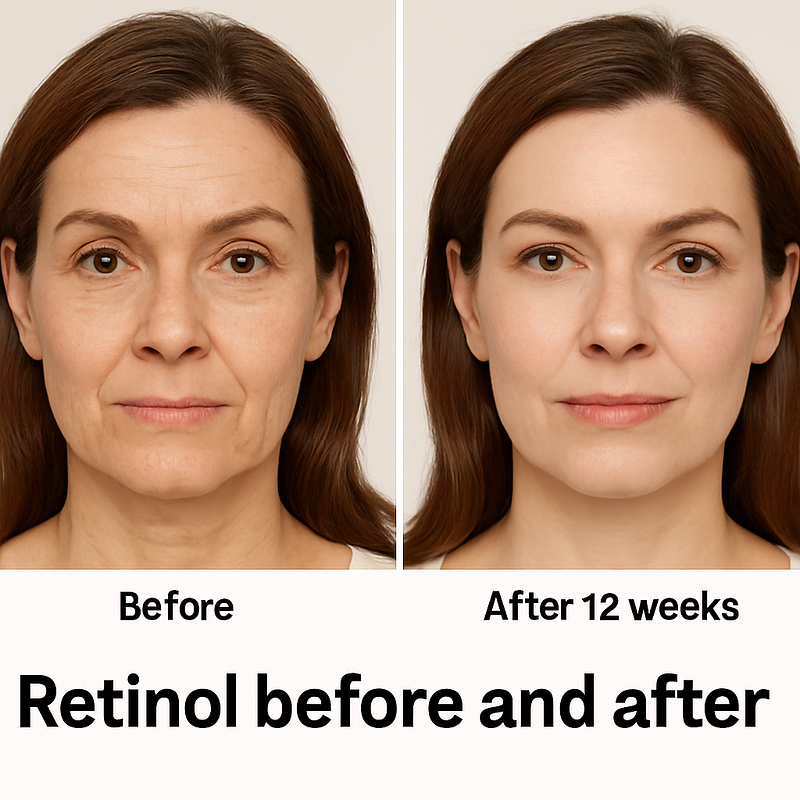
Here's what actually happens (and I wish someone had told me this upfront):
Weeks 1-4: Your face hates you. Like, properly hates you.
- Peeling that makes you look like a snake
- Dryness that no moisturizer seems to fix
- Maybe some redness that has you questioning all your life choices
Weeks 5-8: Oh wait... is my skin getting smoother?
- The texture thing starts happening
- Still some flaking but less dramatic
- You start thinking "maybe this isn't torture"
Weeks 9-12: The actual changes show up
- Acne scars start fading (finally!)
- Dark spots aren't as dark
- People start asking if you did something different
Week 12+: This is where the magic lives
- Skin looks brighter – not like, highlighter bright, but healthy bright
- Everything just looks... firmer?
- You become one of those annoying people who talks about retinol
The thing is – and Healthline backs this up – most people quit during the ugly phase. Don't be most people.
Types of Retinol
This part confused me for weeks. There are like... five different types? And they all do similar things but at different speeds.
From gentlest to "holy crap this is strong":
- Retinyl palmitate – baby's first retinol
- Retinol – the goldilocks zone
- Retinaldehyde – getting serious now
- Adapalene – synthetic but effective
- Tretinoin – prescription-only, don't mess around
Start gentle. Seriously. I learned this the hard way when I thought I could handle 1% right off the bat. Spoiler: I could not.
Retinol Benefits (And What It Doesn't)
Let me be real about what this stuff can and can't do:
It helps with:
- Fine lines (not deep wrinkles – let's be realistic)
- Acne and those stubborn marks it leaves behind
- Dark spots from sun damage or breakouts
- Texture issues that make your skin feel rough
- General "my skin looks tired" problems
It doesn't:
- Work overnight (despite what Instagram suggests)
- Fix everything wrong with your skin
- Replace good genes or a time machine
Medical News Today has this whole breakdown of what retinol can realistically do. Worth reading if you want the science-y details.
How to Not Destroy Your Face (A Beginner's Guide)
This is where I made all the mistakes, so learn from my pain:
- Start slow. Like, painfully slow. 2-3 times a week max
- Pea-sized amount – seriously, a little goes way further than you think
- Put it on dry skin – wet skin absorbs it too fast and hello, irritation city
- Moisturize after – ceramide-based ones work best
- Sunscreen is not optional – retinol makes you more sensitive to sun
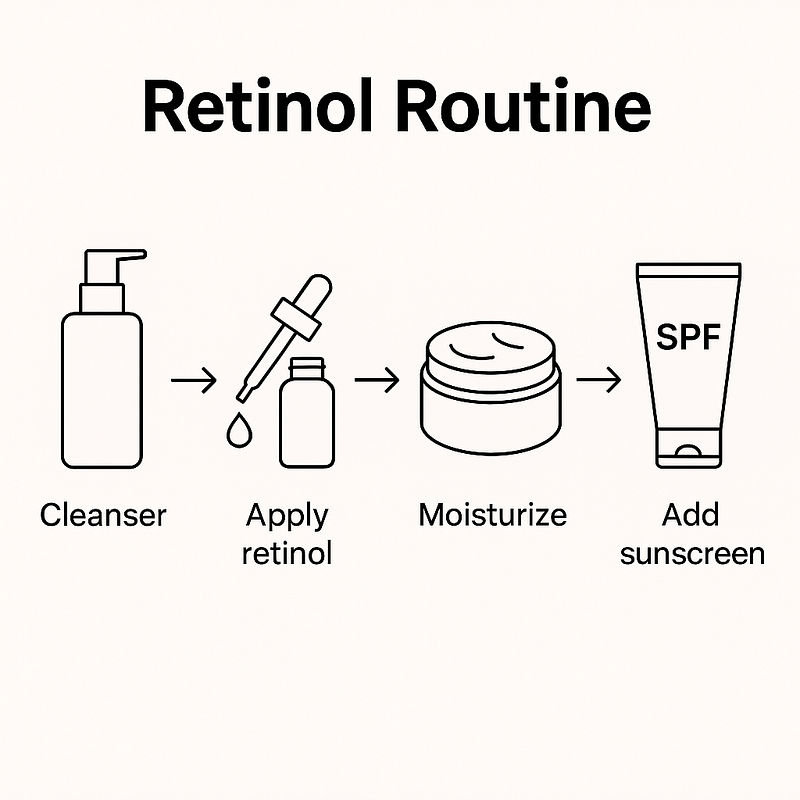
The routine that actually works:
- Gentle cleanser (nothing fancy)
- Wait for skin to dry completely
- Retinol (tiny amount)
- Moisturizer (don't skip this!)
- Morning: sunscreen like your life depends on it
Side Effects
Nobody talks about the purging phase enough. Your skin might break out more at first. This is normal! Annoying, but normal.
Other fun side effects I experienced:
- Flaking that made me look like I had dandruff on my face
- Redness around my nose and chin
- That tight, uncomfortable feeling
- Increased sun sensitivity (learned this at the beach... ouch)
The side effects are well-documented, but they're temporary if you stick with it.
To make it less miserable:
- Use niacinamide to calm irritation
- Don't mix with other active ingredients at first
- Buffer with moisturizer if needed
- Take breaks if your skin is screaming
Can You Mix Retinol with Other Stuff?
This gets complicated fast. Here's what I've learned (sometimes the hard way):
Safe combinations:
- Niacinamide – actually helps with irritation
- Hyaluronic acid – keeps your skin from turning into the Sahara
- Vitamin C – but use it in the morning, retinol at night
Proceed with caution:
- Salicylic acid – alternate nights or your face will rebel
- AHAs/BHAs – same deal, don't use them together nightly
Just don't:
- Multiple actives when you're starting out
- Anything that makes your skin more sensitive
Paula's Choice has a good guide on layering products if you want to get technical about it.
The Retinol vs. Retinoid Thingy
I used to think these were the same thing. They're not.
Retinol:
- Over-the-counter
- Gentler (relatively speaking)
- Takes longer to work
- Less irritating
Retinoids:
- Prescription required
- Stronger and faster
- More side effects
- Medical News Today explains the differences better than I can
If you're just starting out, stick with retinol. You can always level up later.
Should You Try 0.1% Retinol Cream?
This is getting into advanced territory. 0.1% is pretty strong – I'd only recommend it if you've been using lower concentrations without issues.

Products like COSRX's 0.1% cream are for people who've built up tolerance. Don't jump straight to this unless you want your skin to stage a revolt.
Real Talk: The Questions I Actually Had
"Is retinol safe for oily or acne-prone skin" Actually, it's really good for acne-prone skin. Just start slow.
"How long until I see results?" About 4-6 weeks for the worst of it to calm down. Results take 3+ months.
"What does retinol do to skin thickness?" It actually makes the deeper layers thicker by boosting collagen. Health.com covers this misconception pretty well.
"Does retinol lighten the skin?" It evens out pigmentation but doesn't actually lighten your natural skin tone.
"Is tretinoin the same as retinol?" No. Tretinoin is a retinoid that’s stronger and prescription-only.
The Bottom Line
After months of using retinol... yeah, it works. But it's not magic, and it's definitely not quick.
My skin looks better – smoother, brighter, fewer breakouts. The dark spots from my teenage acne years are finally fading. Fine lines around my eyes are less obvious.
But it took patience. And sunscreen. So much sunscreen.
Would I recommend it? If you can handle the initial ugliness and stick with it, absolutely. Just... manage your expectations and maybe don't start right before any important events.
Your skin didn't get messed up overnight, and retinol won't fix it overnight either. But give it time, and you might end up being one of those people who won't shut up about retinol.
Which, apparently, I already am.
.jfif)

Comments
Post a Comment